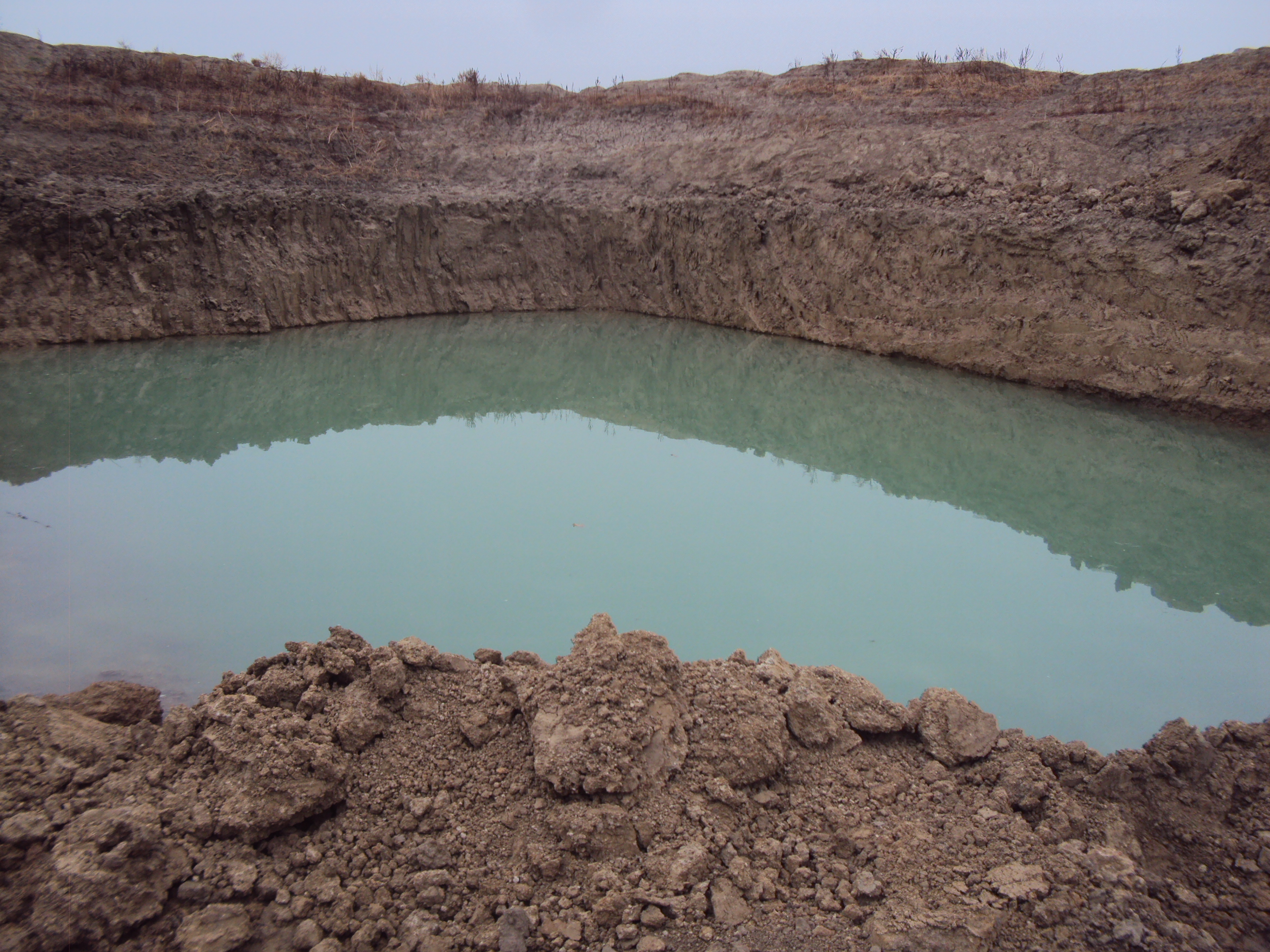
Initiation & Background : Water harvesting at Kakun began in 2005 under Dr. Mishra supported by Kashi Yoga Evam Mulya Siksha Sanstha , using funding and charitable contributions. This early phase established the model that would later grow into a regional movement.
Phase 1 — Own Funding & Charity (2005 onwards)
Phase 2 — Jan-Jal Samvad & Government Partnership
By 2013, three years of visible results gave the initiative public credibility. Dr. Mishra convened the Jan-Jal Samvad Karyakram — a farmer discussion forum — attended by government district officers, BHU professors, social activists, and farmers. The District Magistrate, Anuj Jha, publicly directed the district's agriculture and soil conservation departments to support the "Jal Abhiyan."
Phase 3 — UP Agriculture Department Partnership
With support from the UP Agriculture Department, "Apna Talab Abhiyan" (Our Own Farm Ponds) was launched, expanding across five villages:
Before 2005, indigenous cows were the backbone of rural life in Bundelkhand — providing fresh milk for child nutrition and organic compost for soil fertility. Severe persistent droughts, crop failures, and rising poverty forced mass migration, leading to the tragic abandonment of thousands of cattle.
To address this crisis, Shri Krishna Gau Seva Mandir was established in 2020 through community involvement and compassionate action, rescuing, feeding, and rehabilitating abandoned cattle.
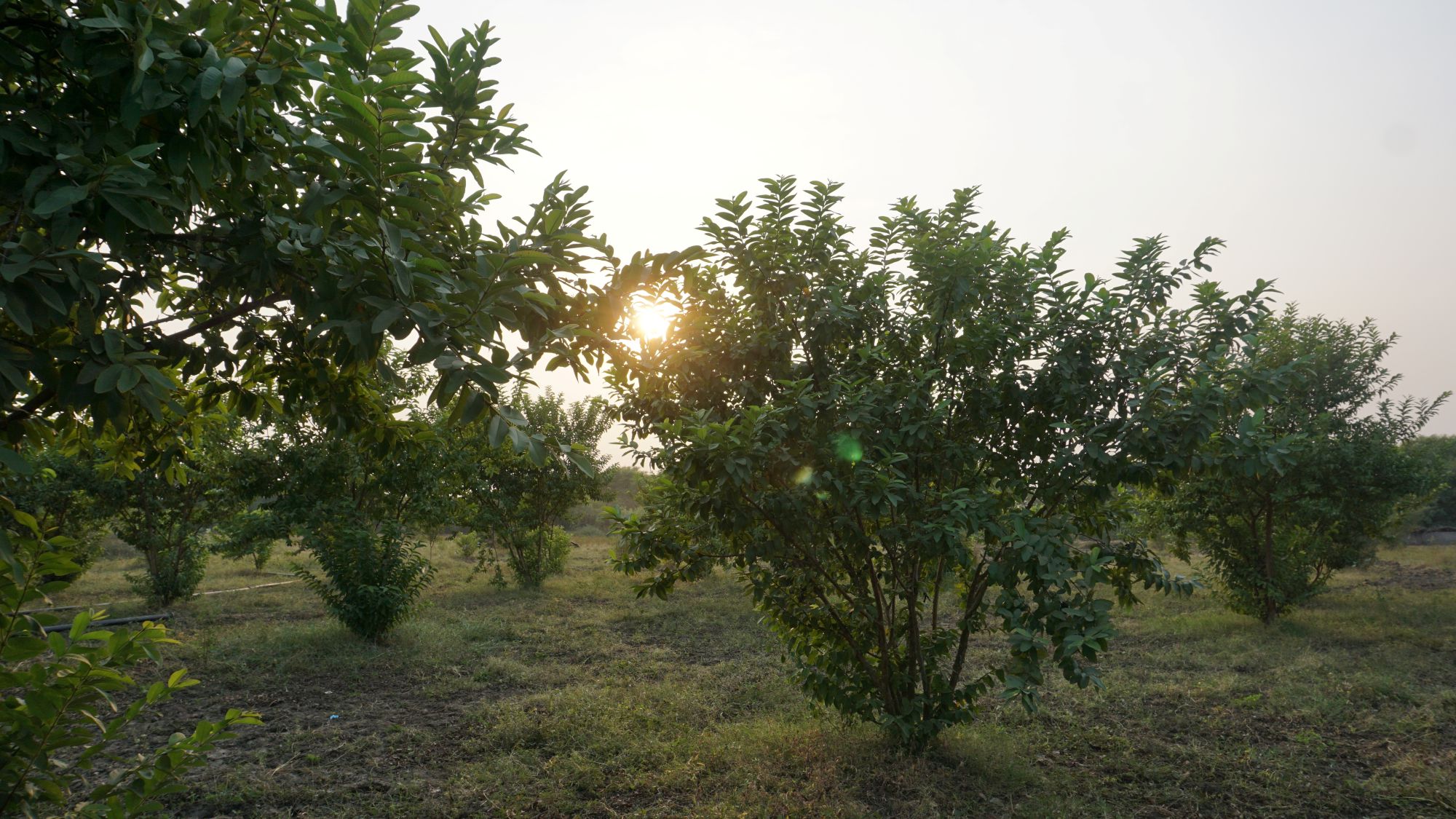
By 2021, Bundelkhand's landscape had become dominated by only a few species (Babool, Khajoor, Neem), accelerating desertification. Sparse green cover led to temperatures reaching 49°C and rapid evaporation. Loss of vegetation destroyed natural habitats and reduced soil fertility. Dev Yagya — rooted in the Vedic philosophy that humanity is deeply indebted to nature's five elements (Panchabhuta) — was launched to reverse this.
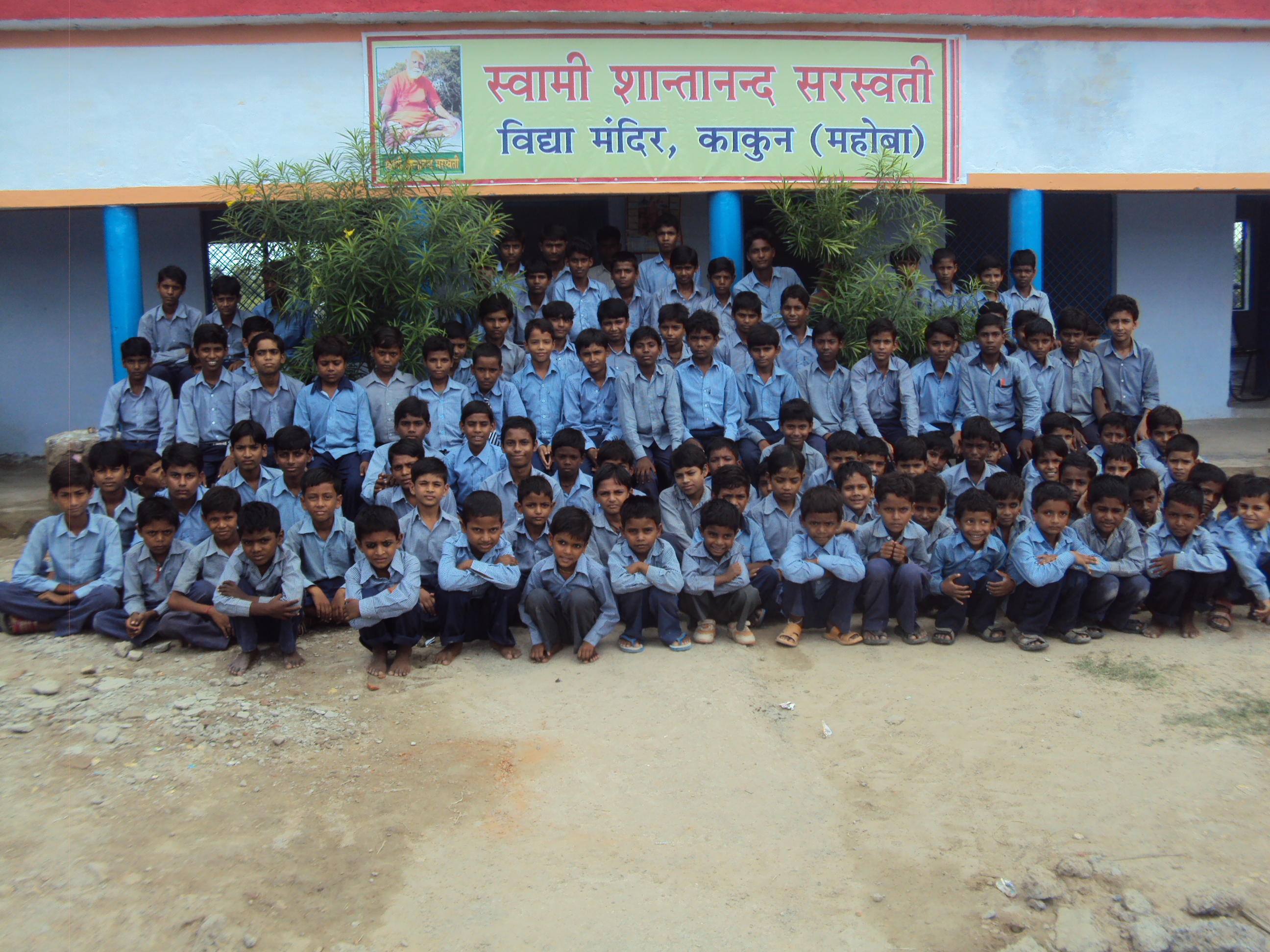
In 2010, Swami Shantanand Saraswati Vidya Mandir was established to bring accessible, quality education to under-resourced rural communities. Today it serves as a vital learning hub for boys and girls from 10 surrounding villages — many students traveling up to 15 km daily just to attend classes.
To ensure no child studies on an empty stomach, the Maa Annapurna Kitchen provides freshly cooked, balanced, and nutritious lunches every school day. Healthy meals have significantly improved classroom engagement, physical health, attendance rates, and cognitive performance.
Cultural Preservation, Skill Development & Rural Employment • Vedic Principle: Vidya Daan & Maitri Bhavana : In 2021, the Acharya T.R.V. Murthy Darshan evam Sanskriti Adhyayan Peeth was established in Kakun — a cultural center founded in honor of revered philosopher and scholar Professor T.R.V. Murthy. Its establishment was made possible through the generous support of Smt. Uma Jayaraman, daughter of Prof. T.R.V. Murthy.